
Microscopy
Recently I received an old microscope set from my grandfather that he still had lying around in the attic. He had bought it in the early ’70s for himself and my mother. The light microscope belongs to the brand C.O.C. The little information I found on the internet says that this used to be a Japanese brand that flooded the European market in the 60s and 70s. The microscope has eyepiece magnifications of 10x and 15x. It has three objectives for 10x, 30x and 50x magnification. This gives it a range of 100x-750x. Furthermore, it does not have a diaphragm and has only one adjustment screw.
Unfortunately, time has left its mark. For example, one specimen clamp has broken due to metal fatigue and the internal lamp is defective. Most accessories, such as stains, are also missing. The objectives were all very dirty. I have managed to successfully clean the 10x magnification. Objective 30x and 50x function now too but are still visibly dirty. I am regularly updating this page with improved images.
Plankton
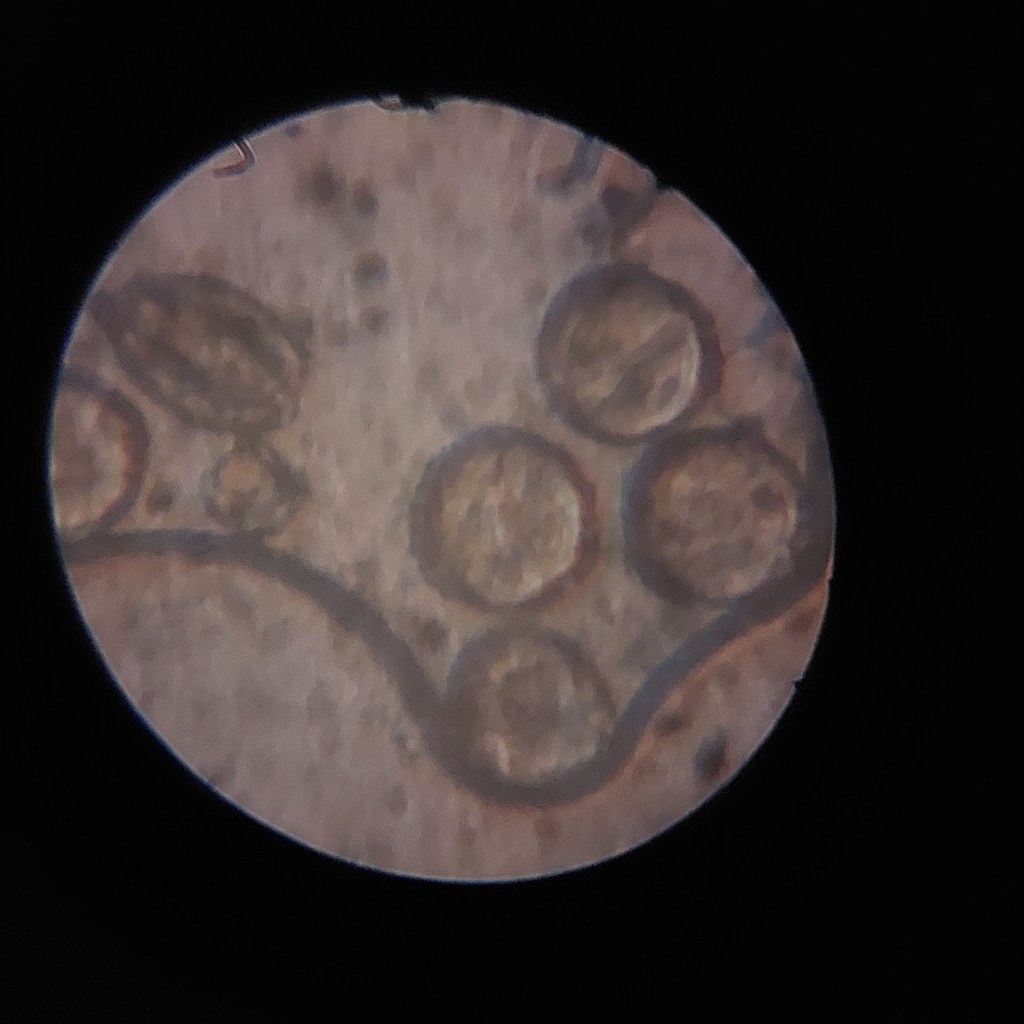

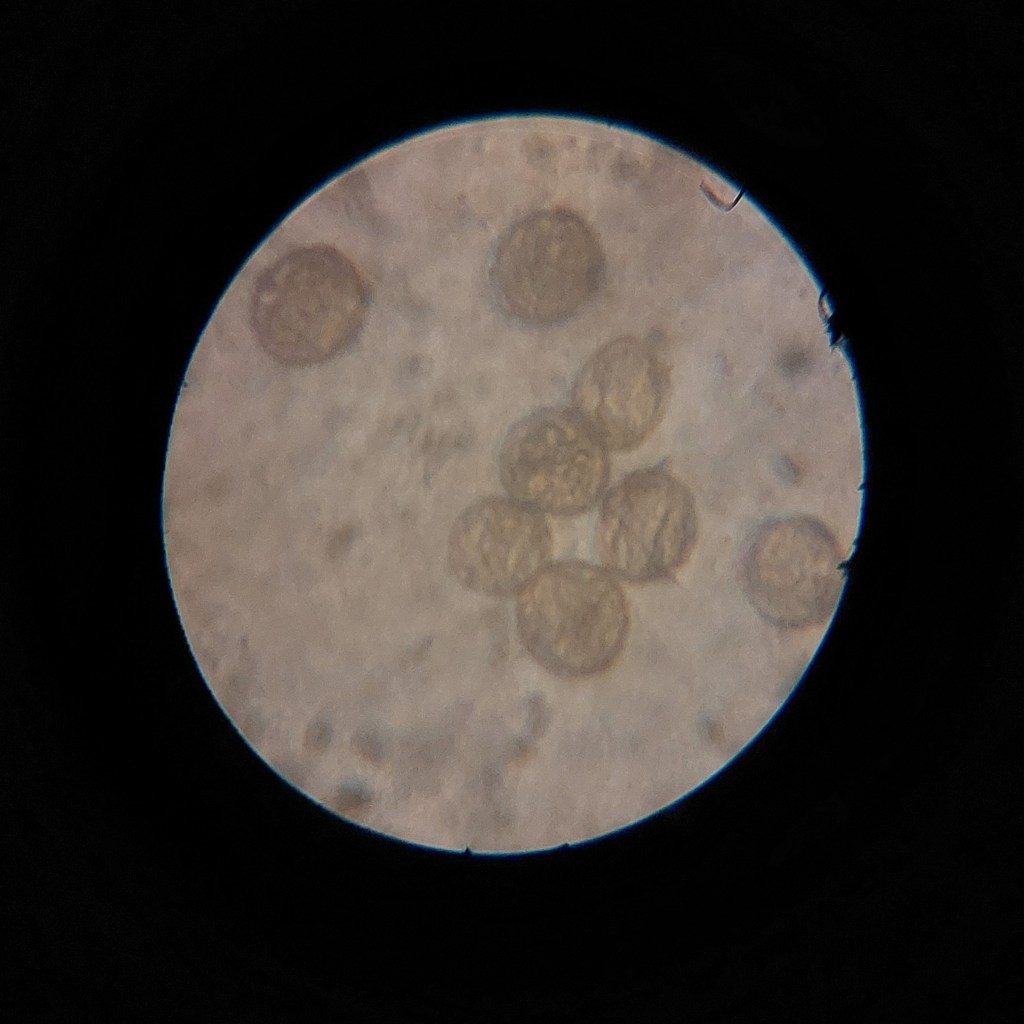
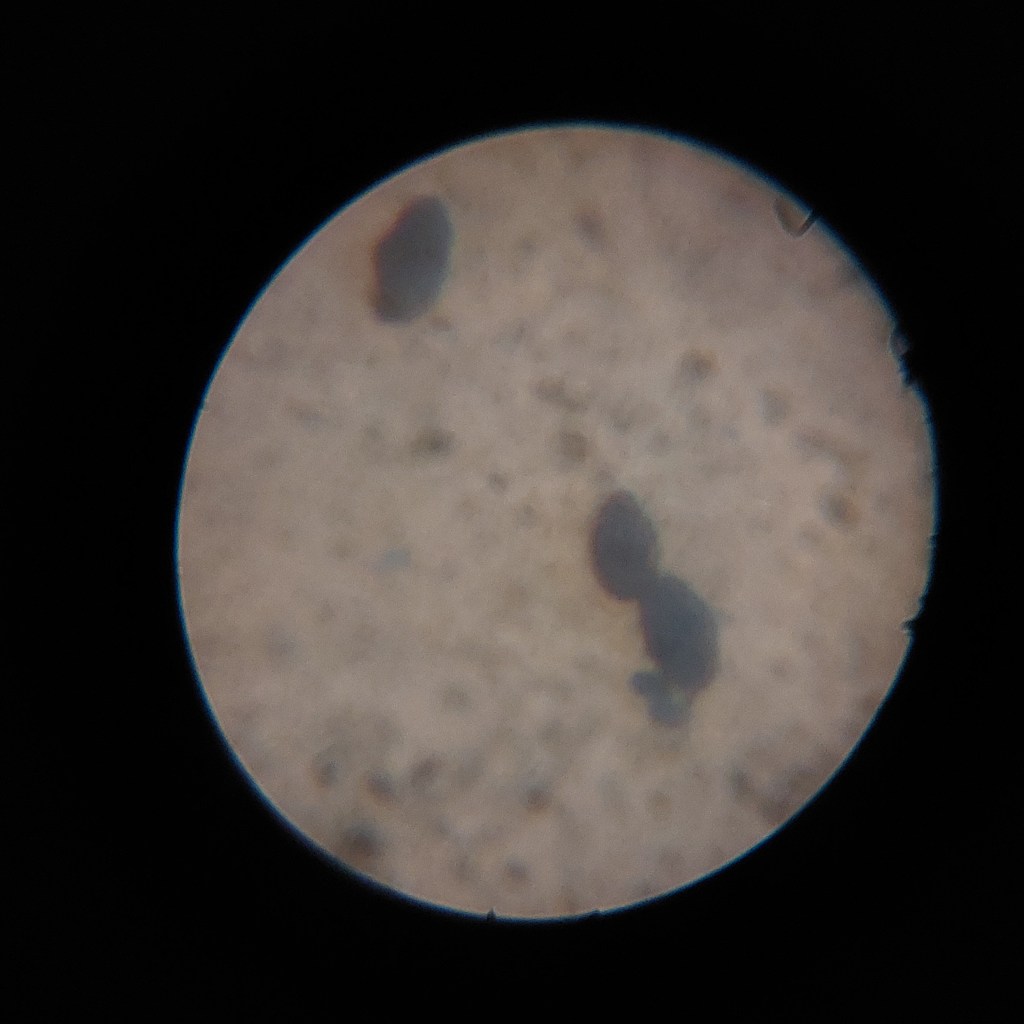

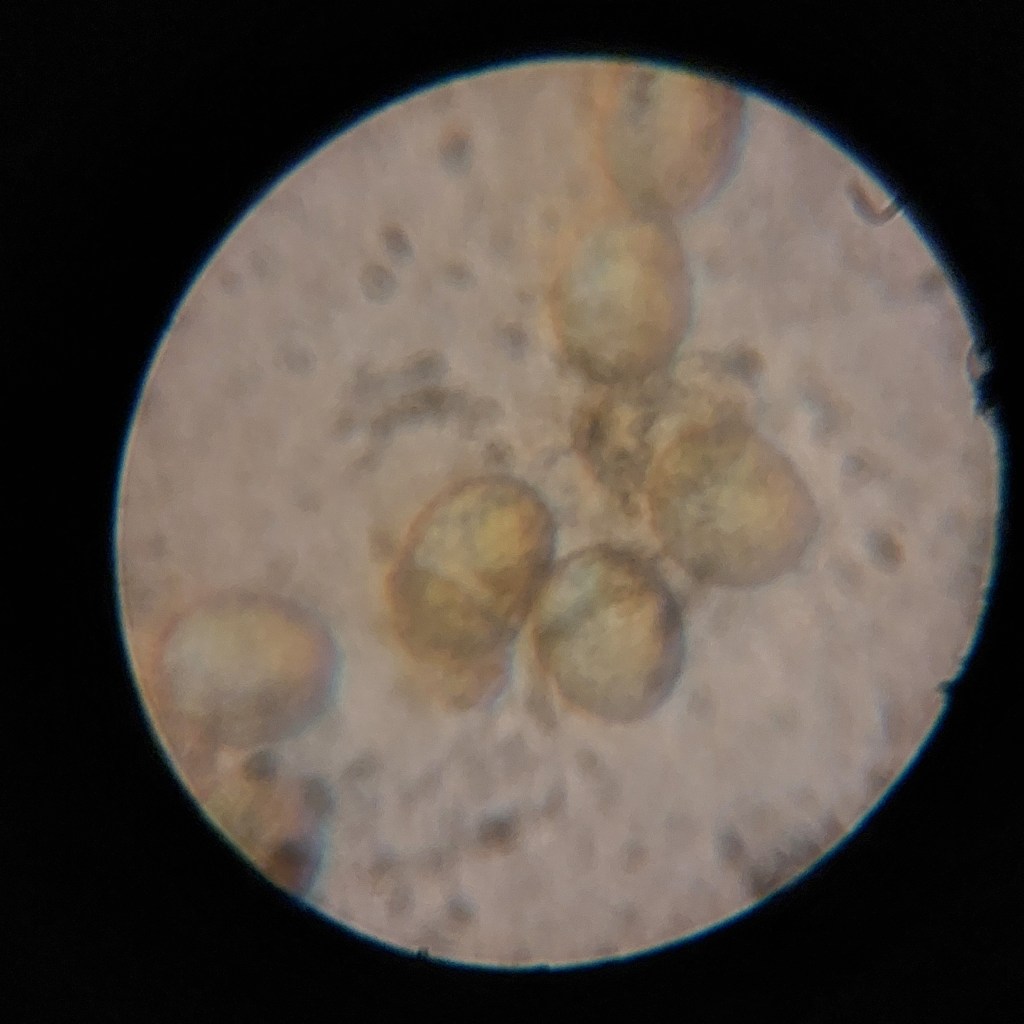
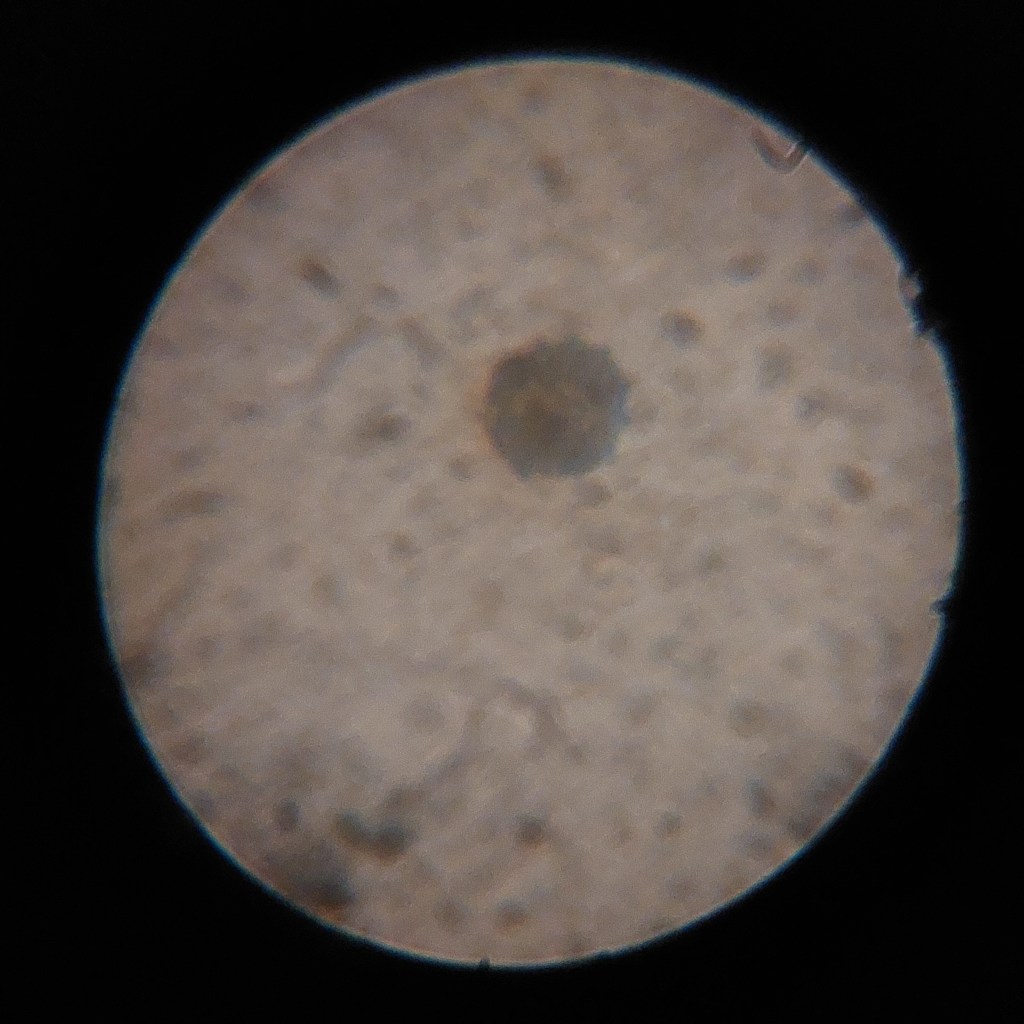
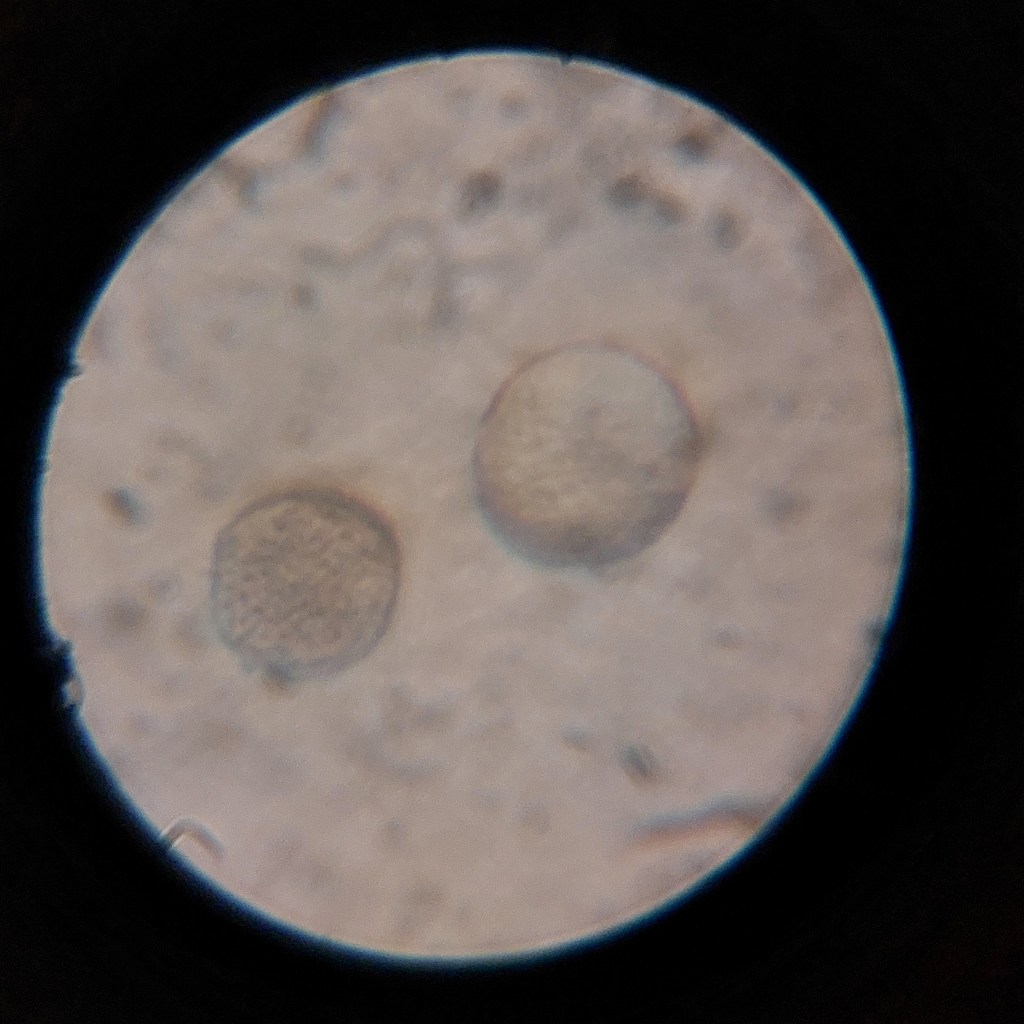
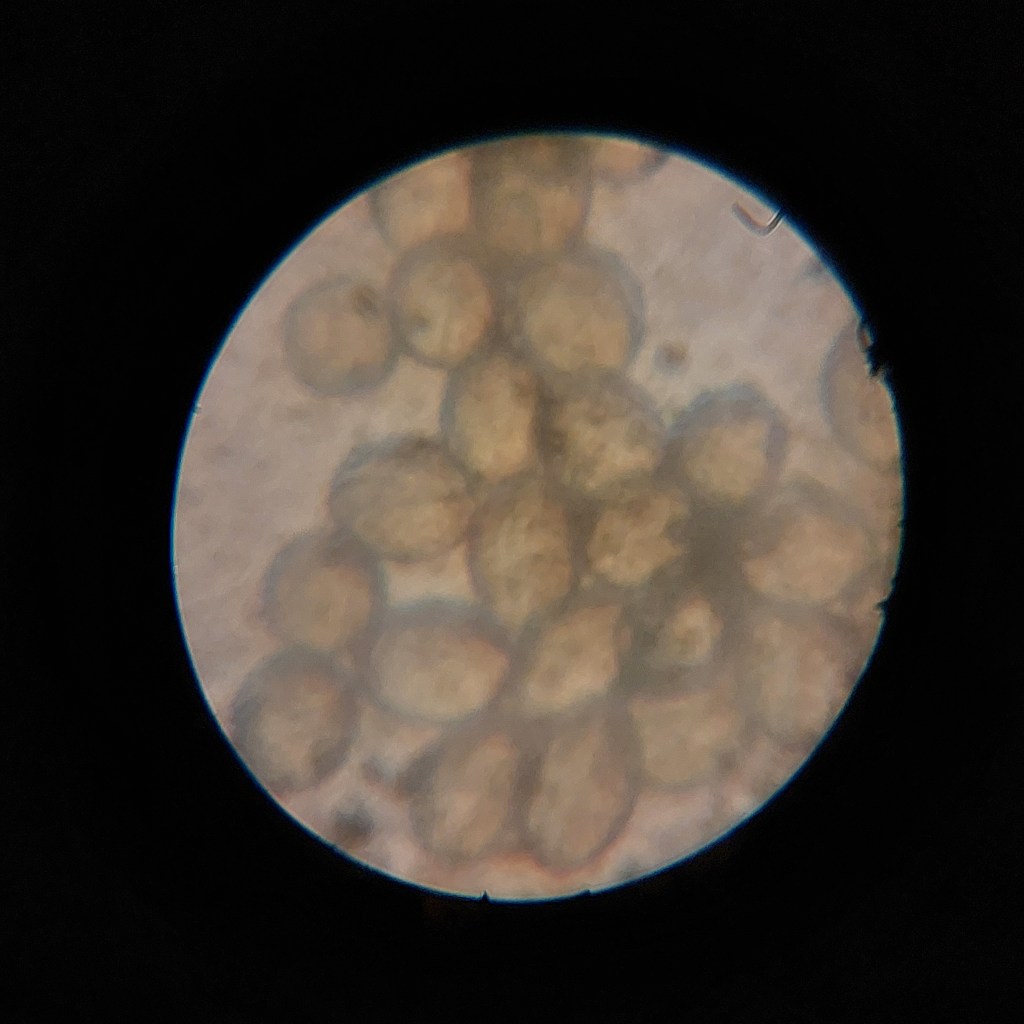
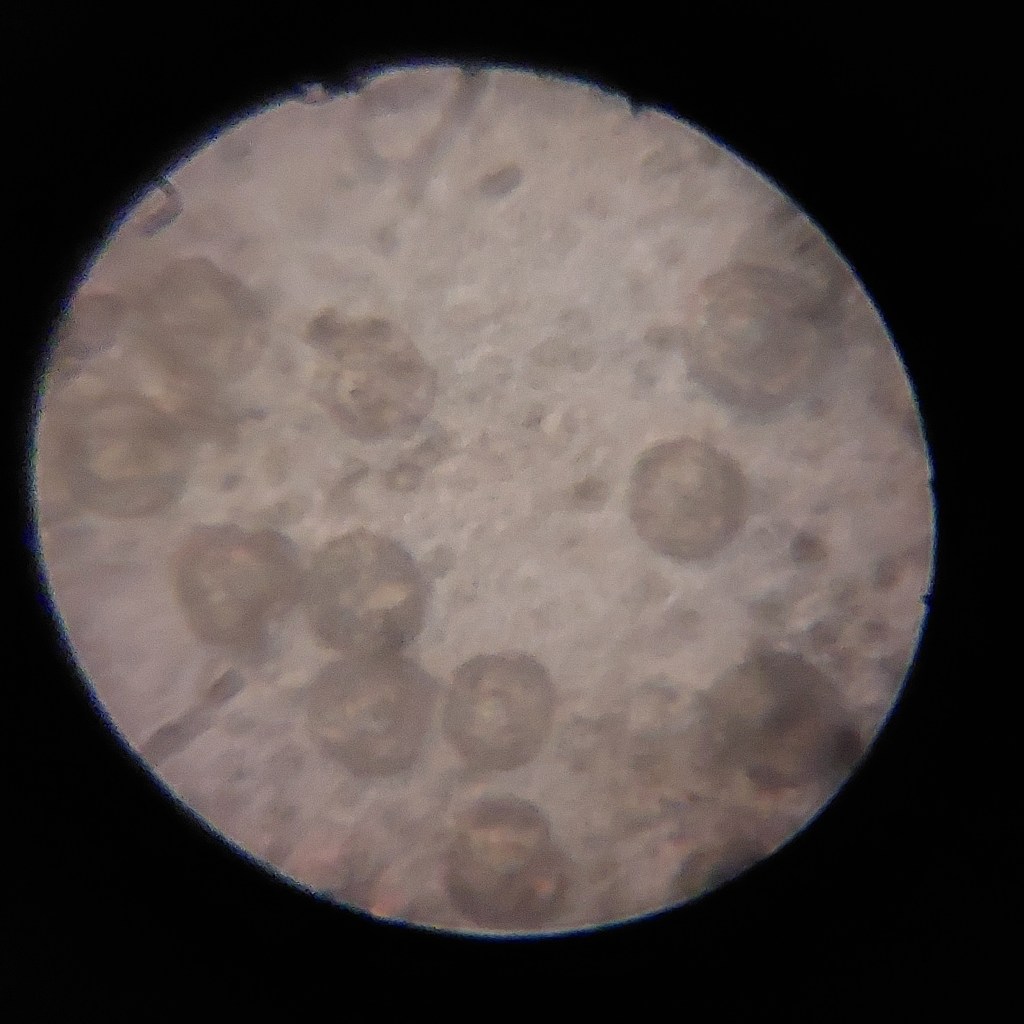


Ascomycota


 Valentijn Stijger