Deep Space Astrophotography
Messier Objects
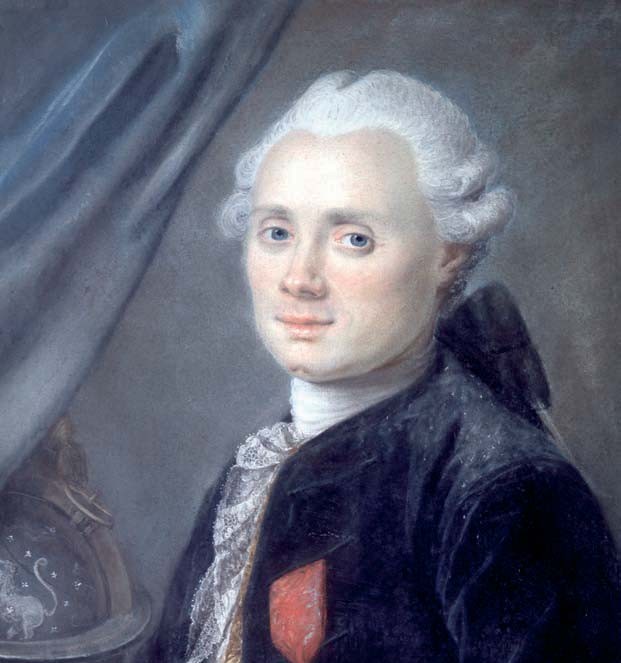
The Messier objecs are a set of 110 astronomical objects that French astronomer Charles Messier catalogued and published in 1774. Through his 3″ refractor telescope he only saw them as faint grey-ish blobs. He noted these objects down to avoid confusing them from his true interest: comets. Nowadays his catalogue is predominately used by hobby astrophotographers. Below I give my own attempt. With each cloudless night hoping to add a new object or improve and older attempt.
Technique
The photos are taken with a Seestar S50 which has a focal lenght of 250 mm and an aperature of 50 mm. Processing is done in the open-source software Siril. Note that by just looking at these deep space objects you would only see faint patches at best. The details are made visible by stacking many frames with a long exposure time over each other. Unfortunately, some objects that stay on a lower altitude show a noticeable gradient caused by the light pollution (Bortle 7) at my location.
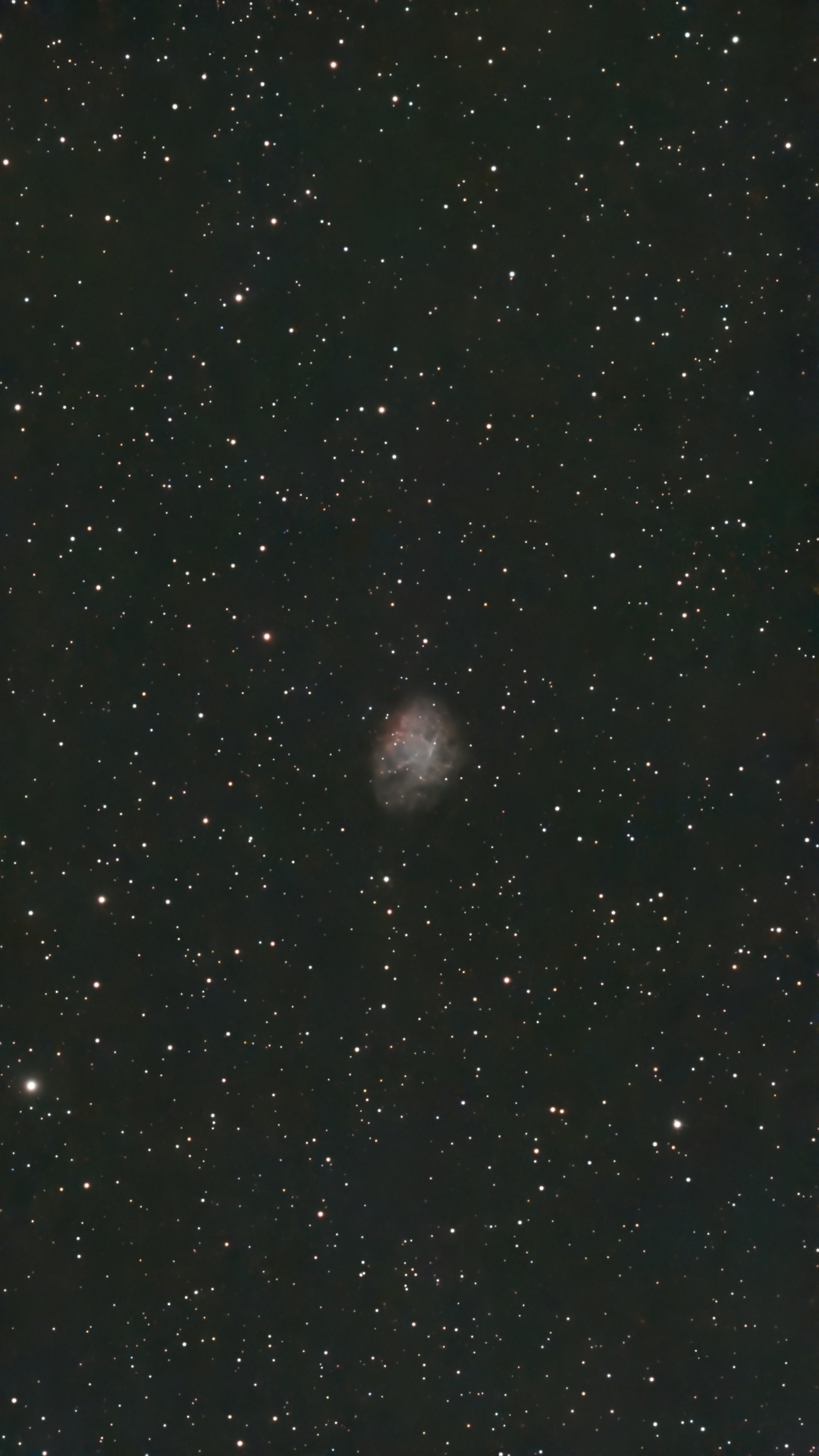
Type: Supernova remnant
Distance: 6,500 light-years
Exposure time: 10 seconds
Subframes: 181
The Crab Nebula is the remnant of a supernova observed on Earth in 1054 AD by Chinese and Arab astronomers. Nowadays, it has reached a diameter of 11 light-years. At its center lies a rapidly spinning neutron star (pulsar). As it lies 1.5° from the ecliptic, the pulsar’s radiation is sometimes used to study the composition and structure of intervening solar system bodies.
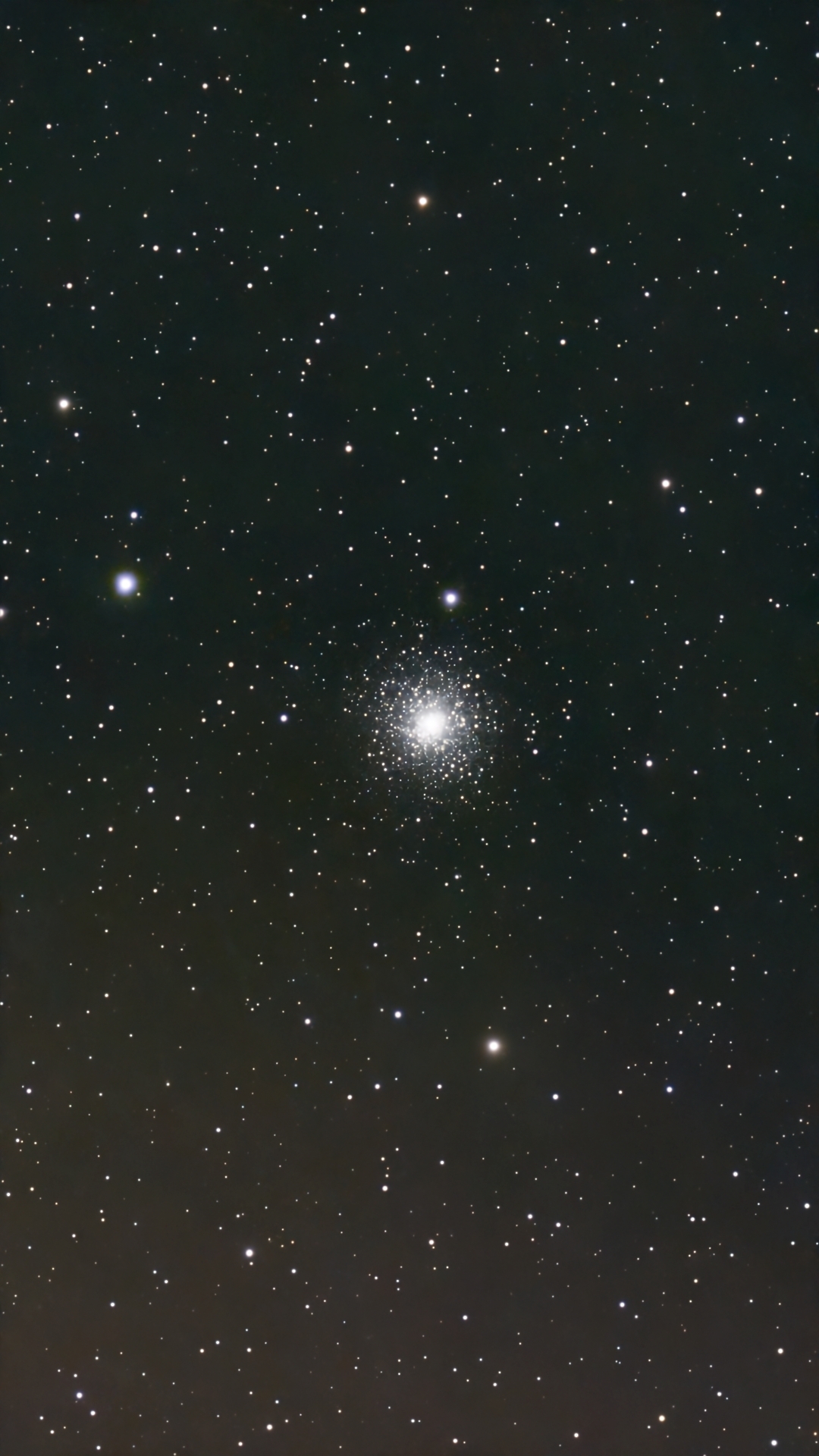
Type: Globular star cluster
Distance: 33,600 light-years
Exposure time: 10 seconds
Subframes: 198
One of the densest globular clusters known. It contains over 100,000 stars. Many astronomers theorize it contains a black hole in its center.
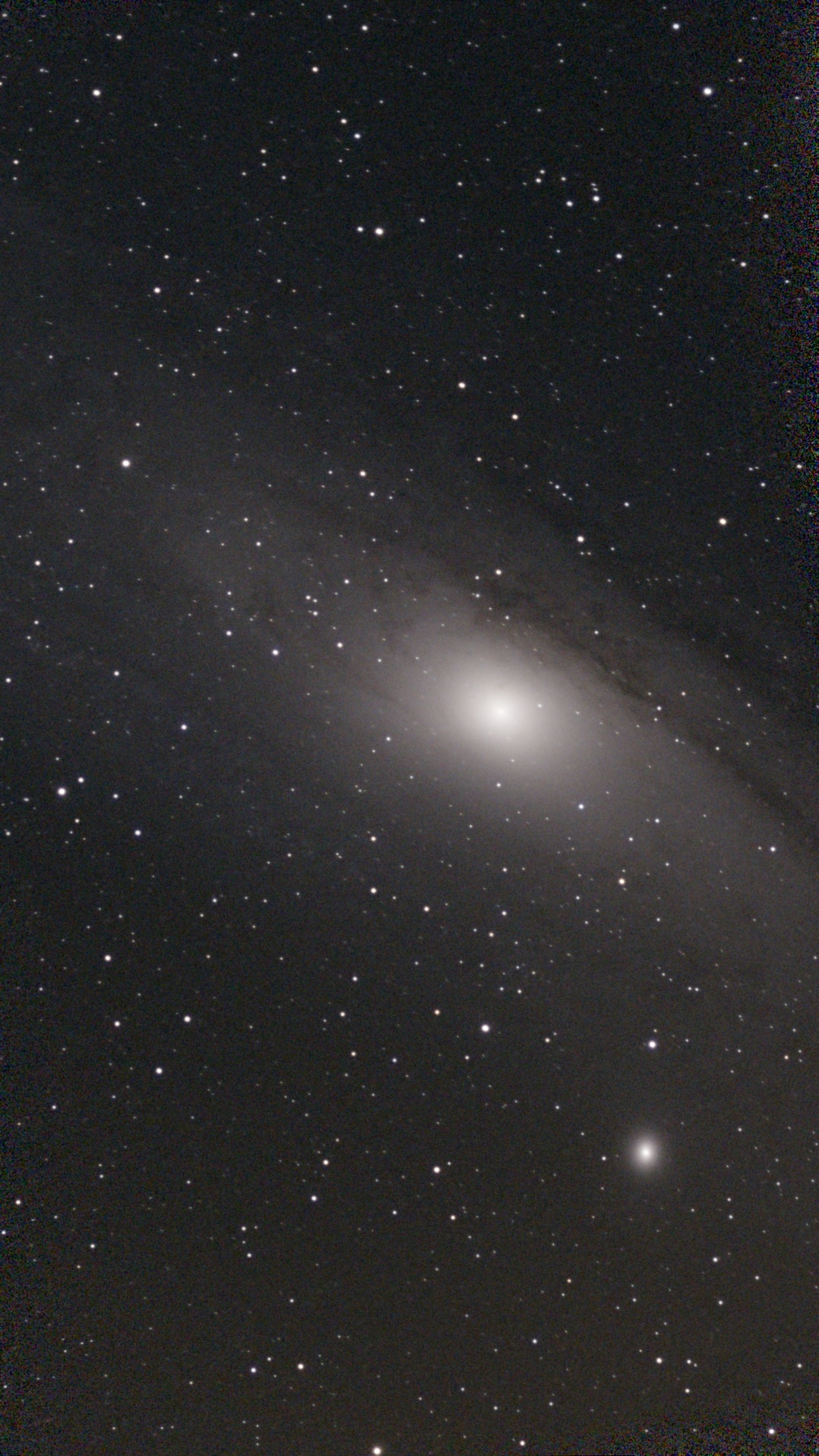
Type: Spiral galaxy
Distance: 2.54 million light-years
Exposure time: 10 seconds
Subframes: 57
The closest galaxy to the Milky Way, containing about a trillion stars. It will slowly collide with our galaxy in ~4.5 billion years. It is the biggest object in our sky, and as such it is a little out of frame. In the future I hope to take a longer mosaic shot of this galaxy.
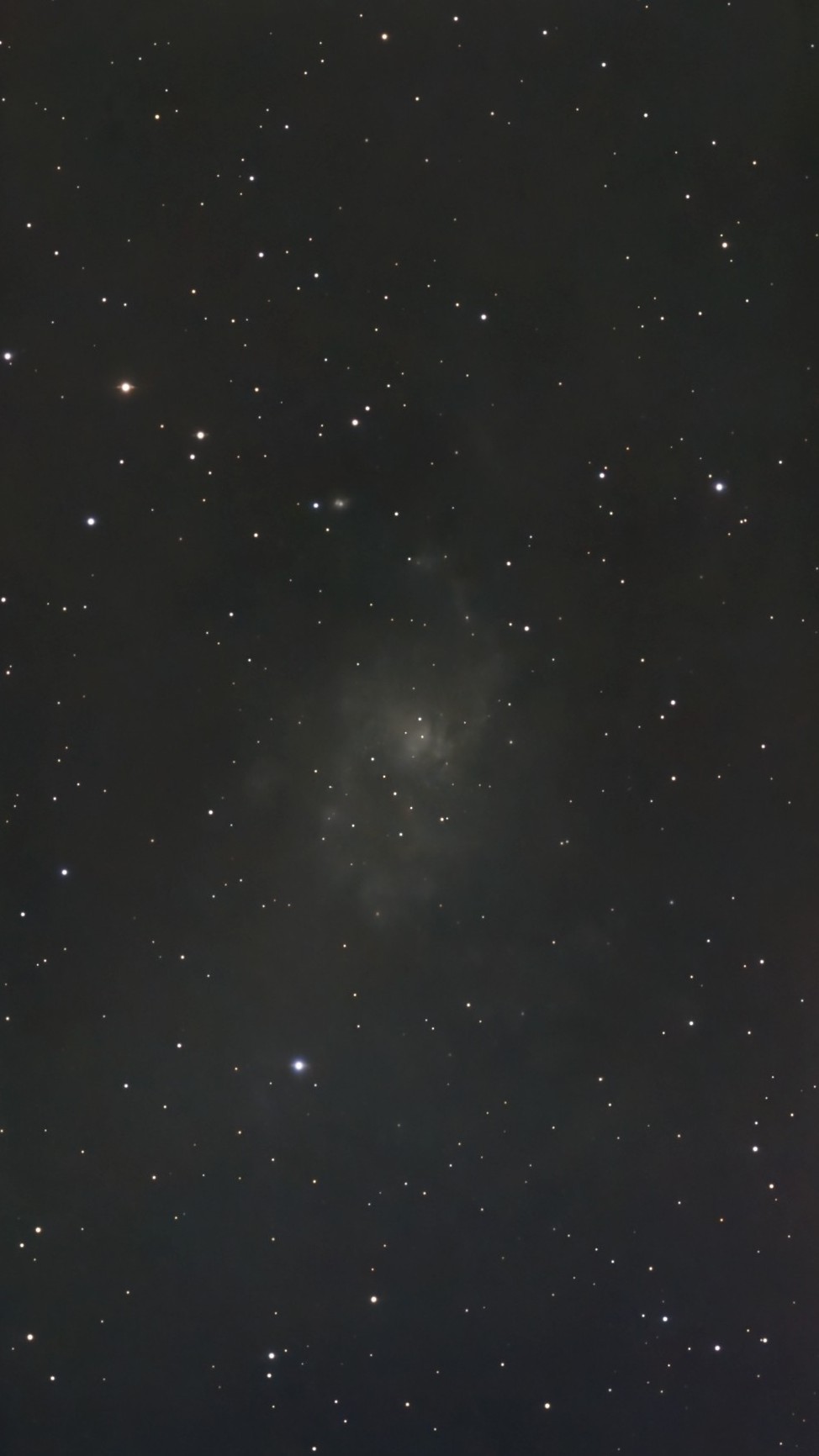
Type: Spiral galaxy
Distance: 2.73 million light-years
Exposure time: 10 seconds
Subframes: 158
The third-largest member of the Local Group after the Milky Way and Andromeda, containing several hundred billion stars. It is a face-on spiral, making its structure easier to study, although my attempt is still quite faint. By some considered a satellite of Andromeda.
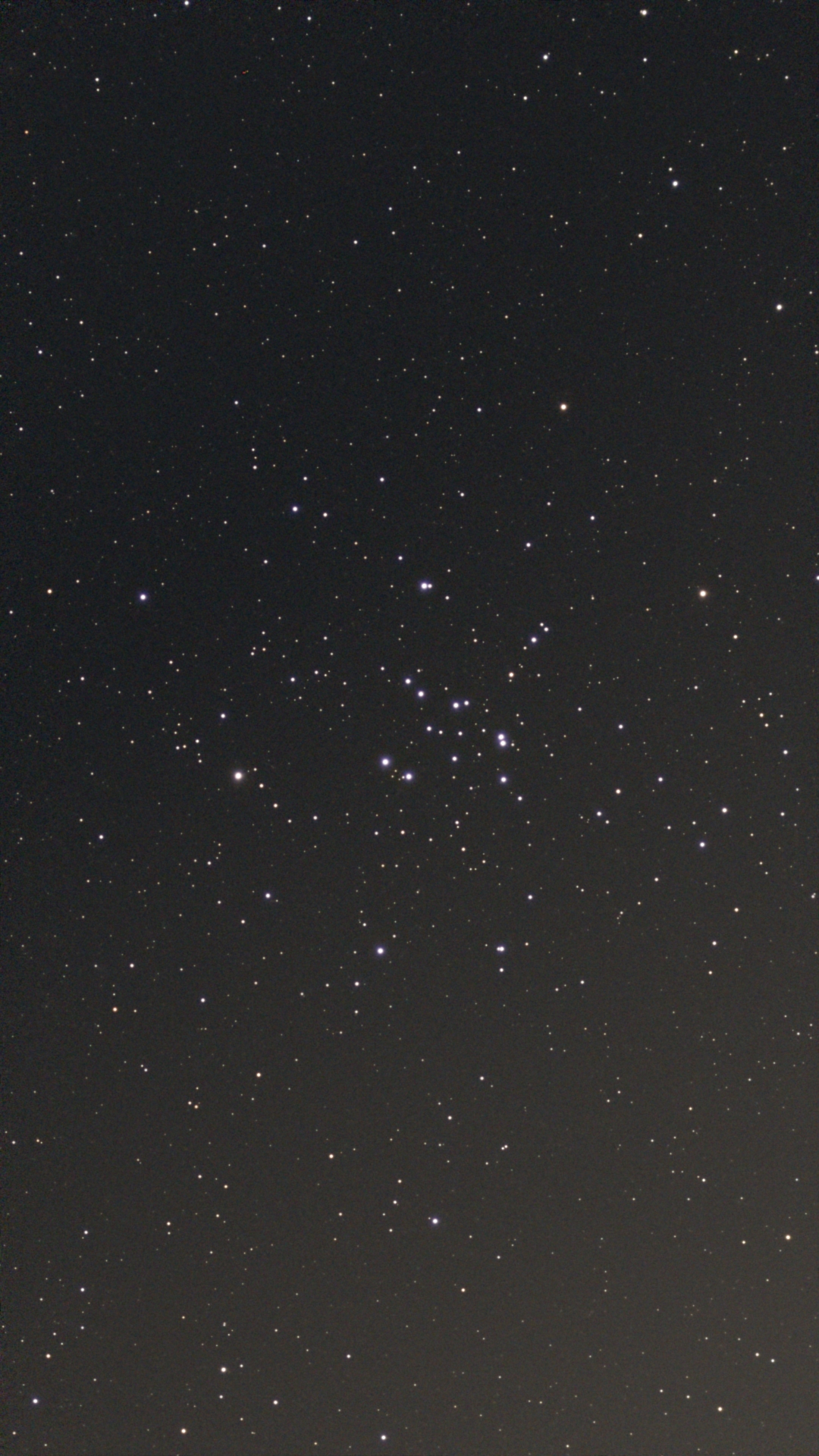
Type: Open star cluster
Distance: 1,400 light-years
Exposure time: 10 seconds
Subframes:
A bright open cluster containing about 400 stars. It is relatively young, around 200–250 million years old.
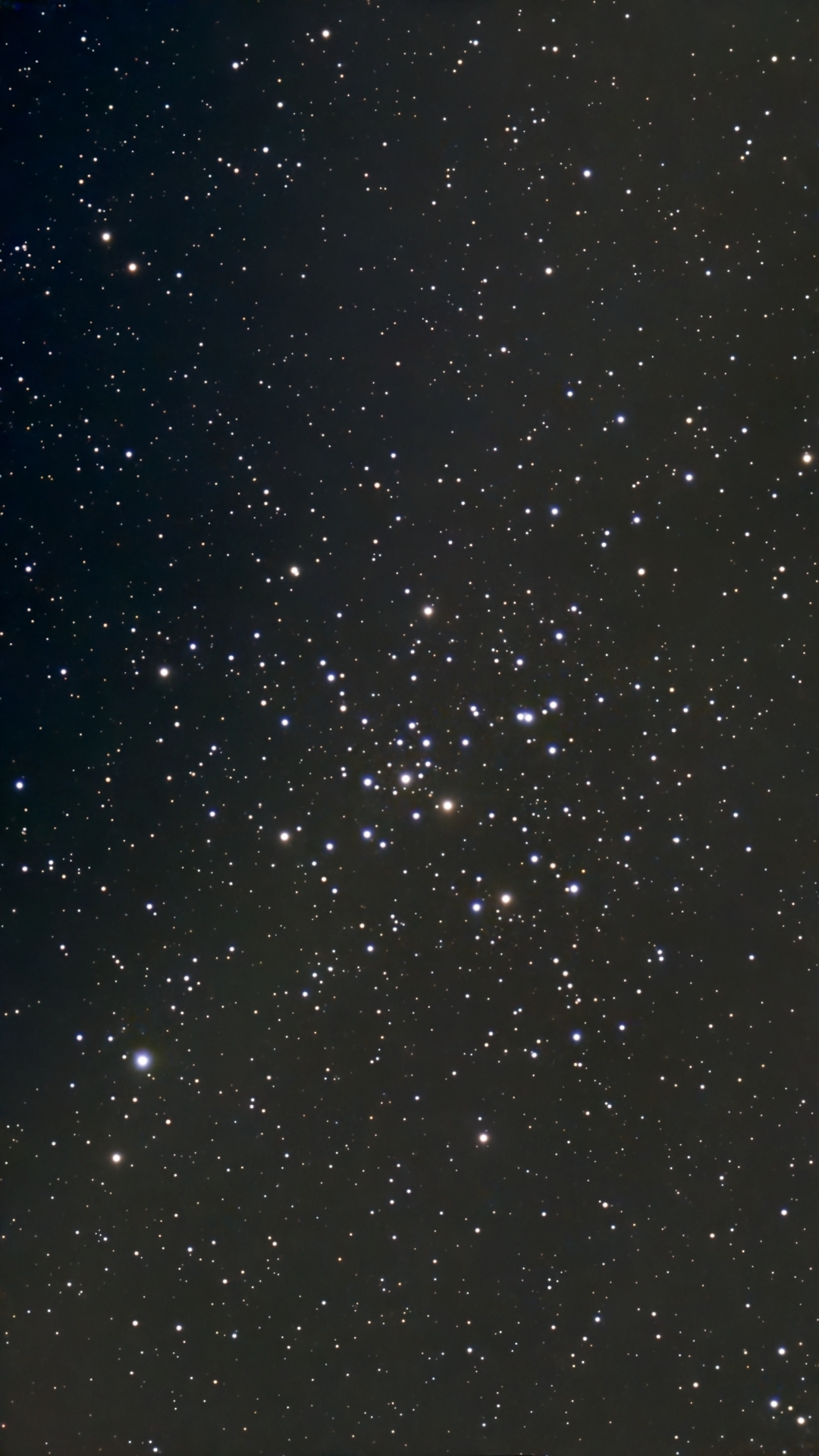
Type: Open star cluster
Distance: 2,300 light-years
Exposure time: 10 seconds
Subframes: 76
A bright open cluster containing about 100 stars. It is around 190 million years old and is easily visible to the naked eye under dark skies, lying just south of Sirius, the brightest star in the night sky.
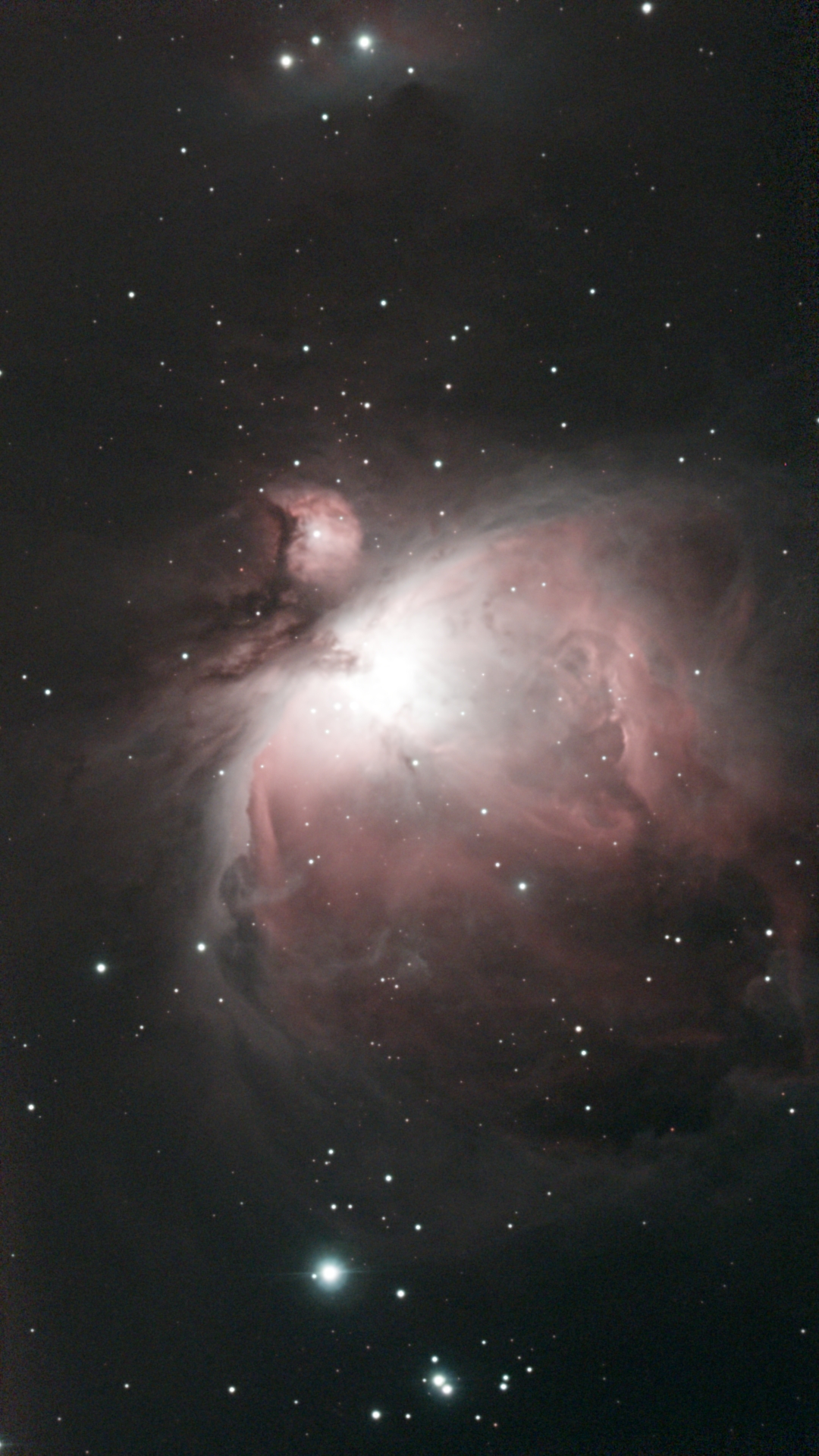
Type: Diffuse emission nebula
Distance: 1,344 light-years
Exposure time: 10 seconds
Subframes: 205
A massive star-forming region in the constellation Orion, containing thousands of young stars, protostars, and glowing gas. M42 forms the main nebula, while M43 is a smaller section separated by a dark dust lane.
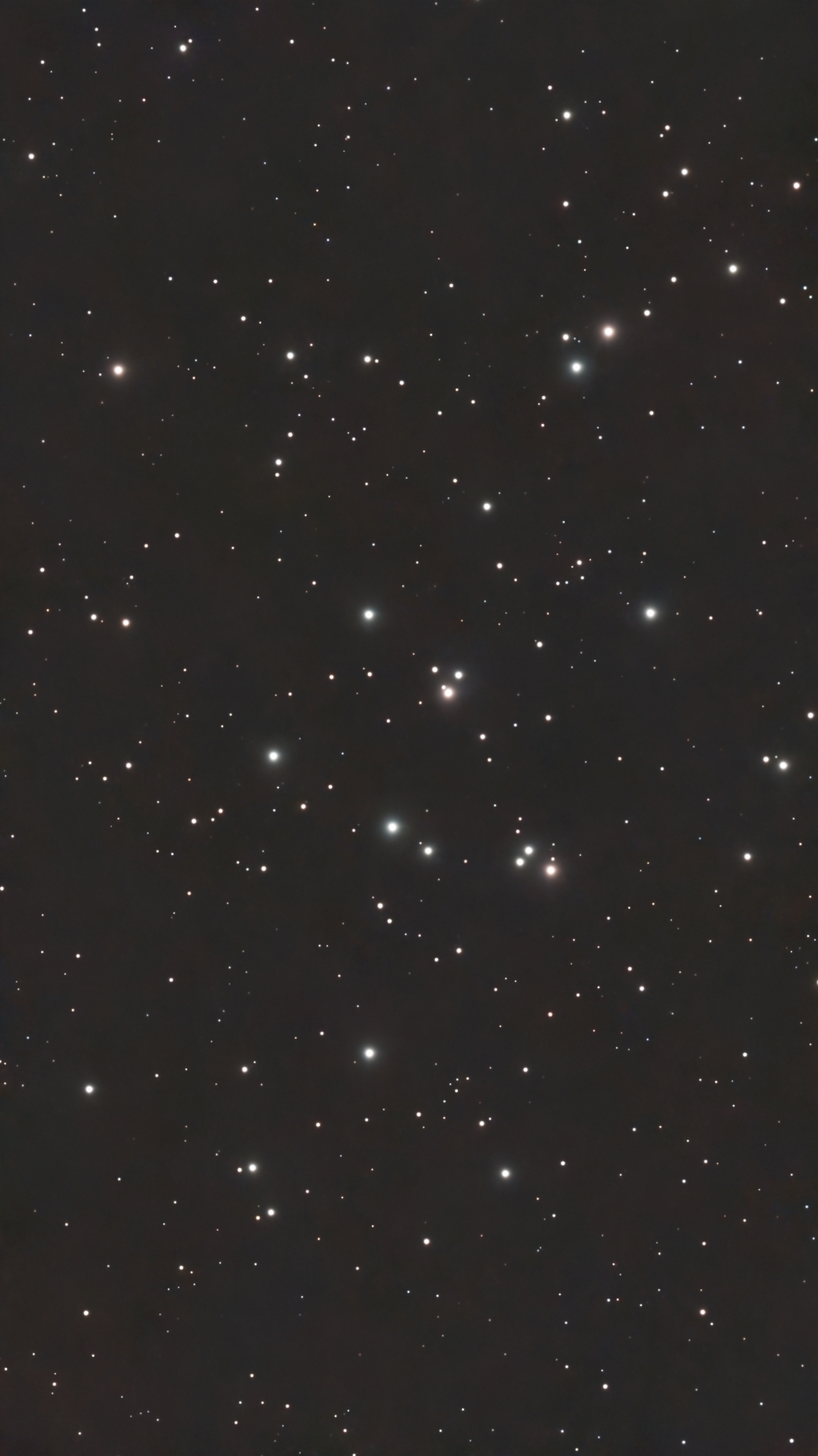
Type: Open star cluster
Distance: 577 light-years
Exposure time: 10 seconds
Subframes: 105
A bright and nearby open cluster containing several hundred stars. It is relatively old for an open cluster, around 600–700 million years. Often called the Beehive Cluster due to its star pattern resembling a swarm.
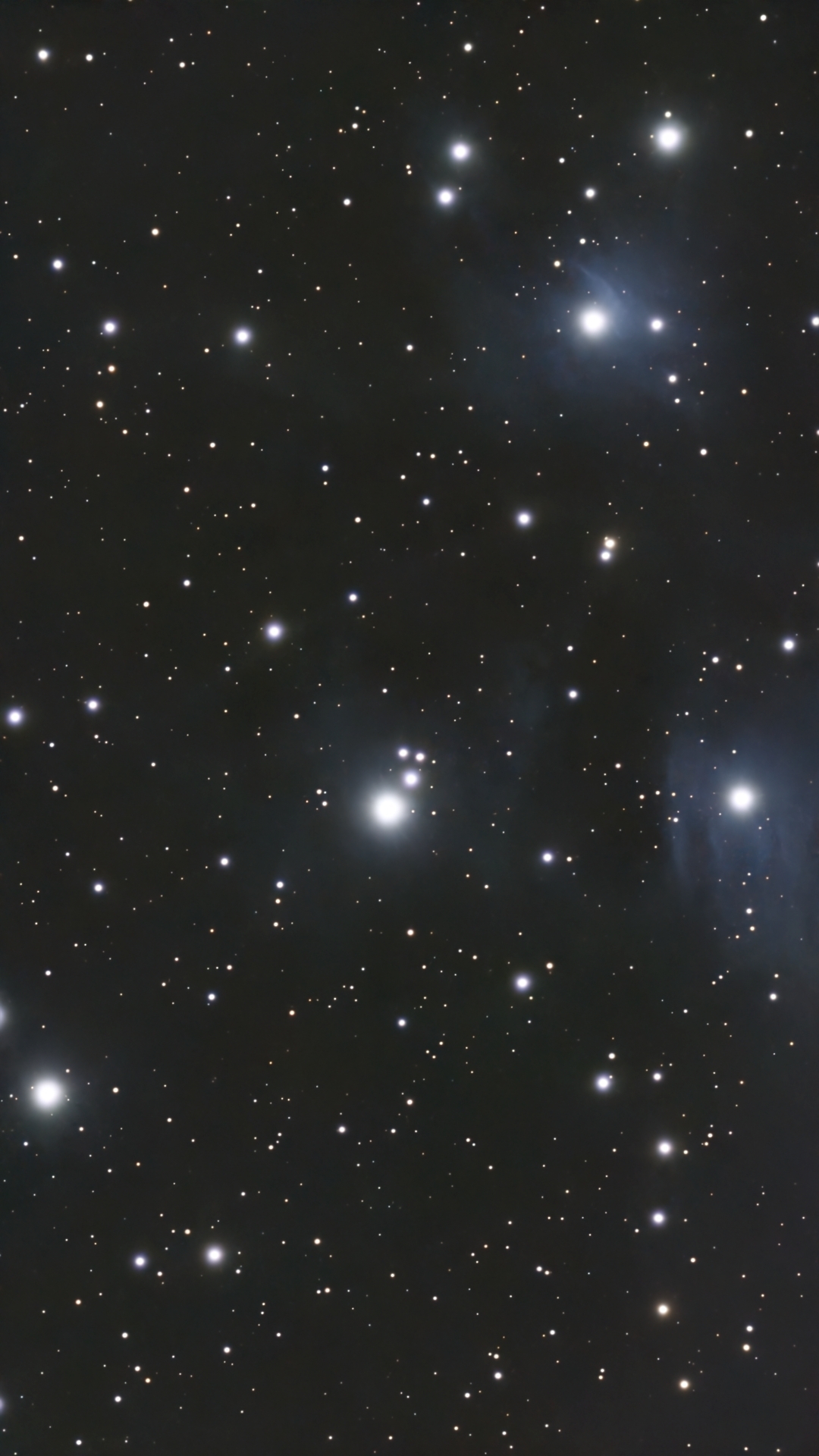
Type: Open star cluster
Distance: 444 light-years
Exposure time: 10 seconds
Subframes: 192
A very bright and famous open cluster containing several hundred young, hot stars. Often called the Seven Sisters, it is easily visible to the naked eye and it is surrounded by faint blueish reflection nebulosity, caused by interstellar dust reflecting starlight.
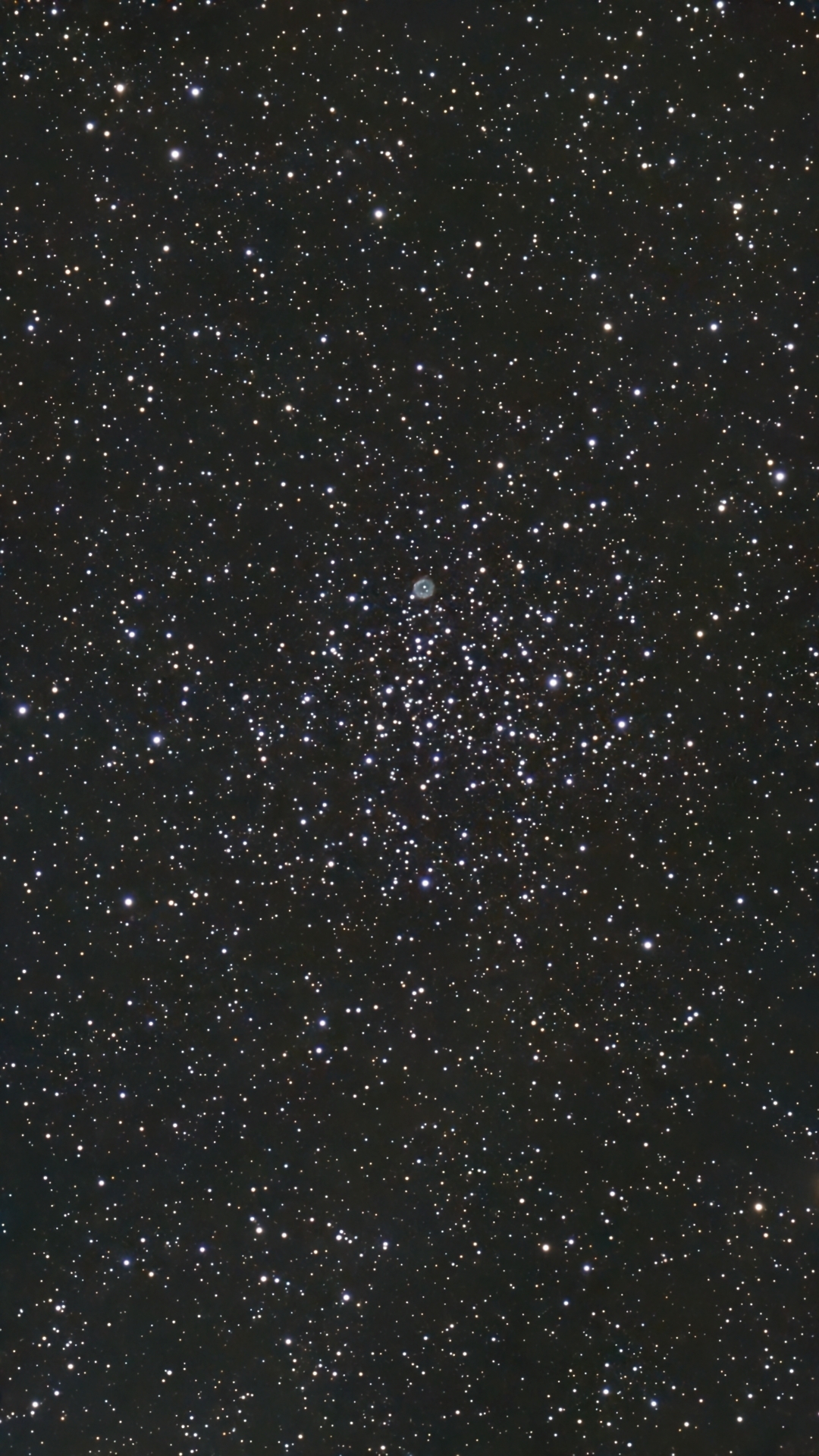
Type: Open star cluster
Distance: 5,400 light-years
Exposure time: 10 seconds
Subframes: 152
A rich open cluster containing several hundred stars. It is notable for hosting NGC 2438, a planetary nebula appearing as a blue bubble near the cluster’s center. This is actually a foreground object not physically associated with the cluster.
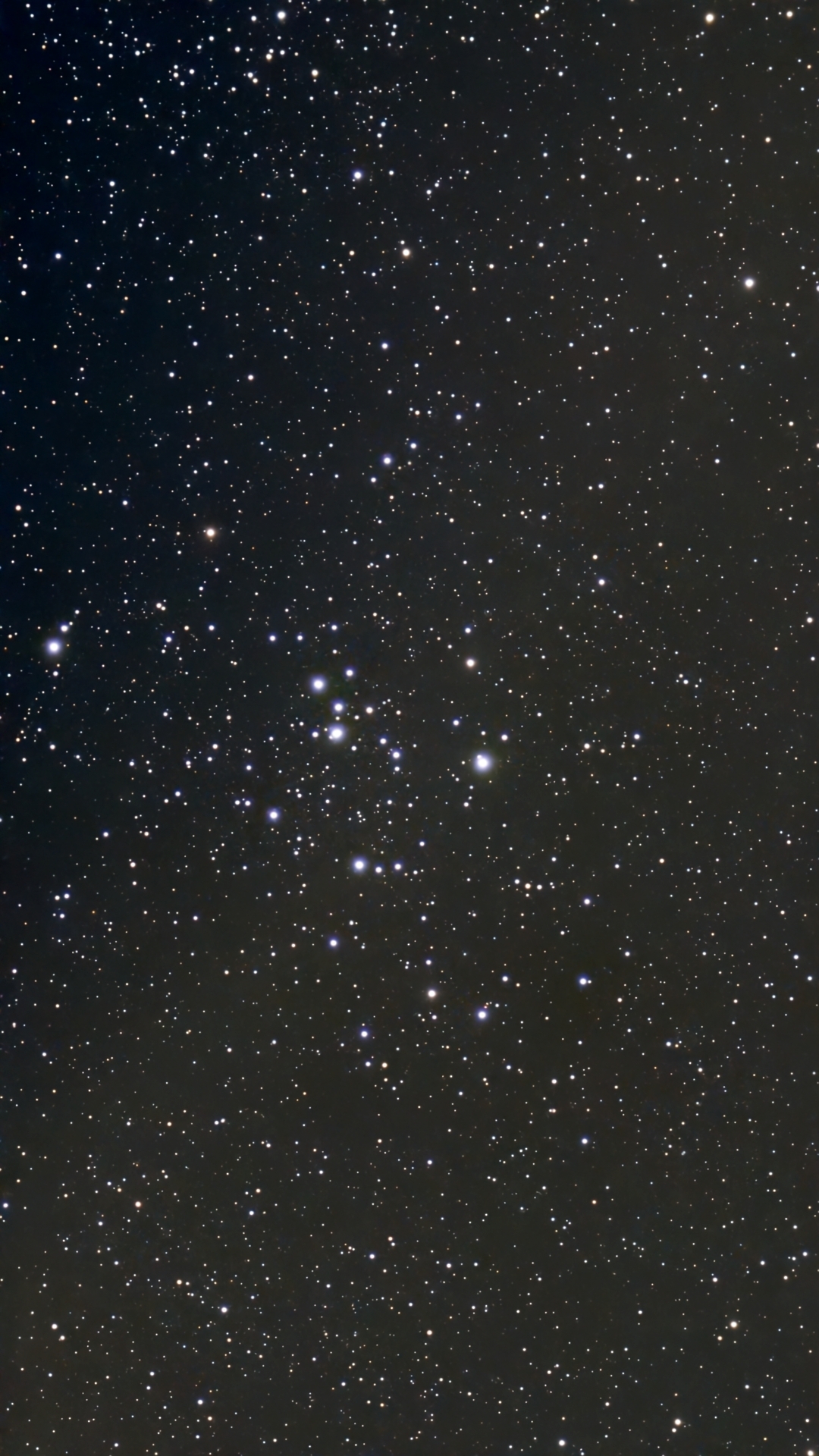
Type: Open star cluster
Distance: 1,600 light-years
Exposure time: 10 seconds
Subframes: 38
This cluster contains several dozen prominent stars. It is relatively young and appearing looser and brighter than its nearby neighbor, M46.
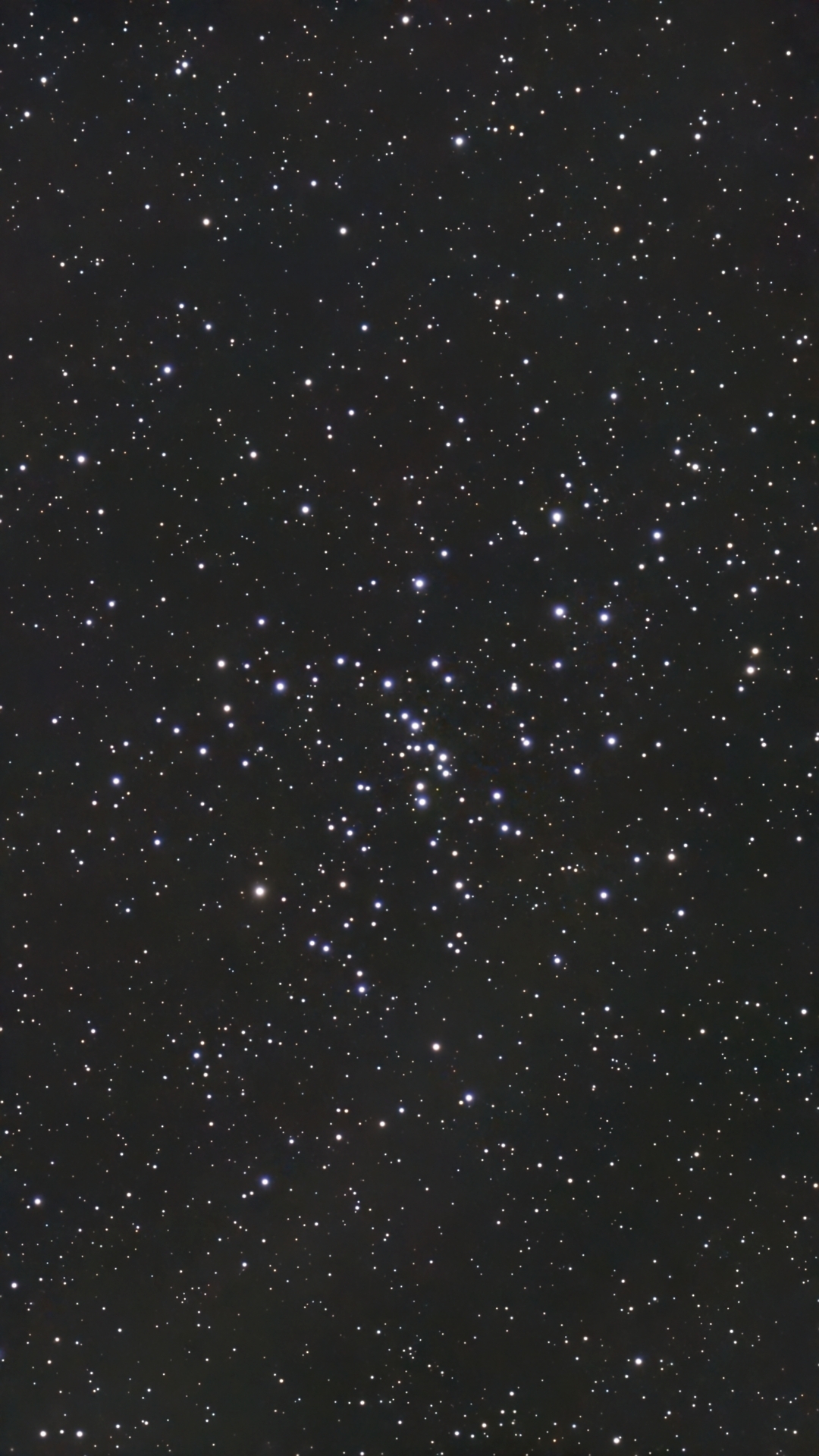
Type: Open star cluster
Distance: 2,500 light-years
Exposure time: 10 seconds
Subframes: 89
A large and loosely concentrated open cluster containing several dozen bright stars.
Type: Open star cluster
Distance: 2,700 light-years
Exposure time: 10 seconds
Subframes:
An open cluster containing several hundred stars. At around 4 billion years old, it is one of the oldest known open clusters and is often used to study stellar evolution, as its stars are similar in age and composition to the Sun. It is called the Golden Eye because of the cluster’s soft golden color from its older stars.
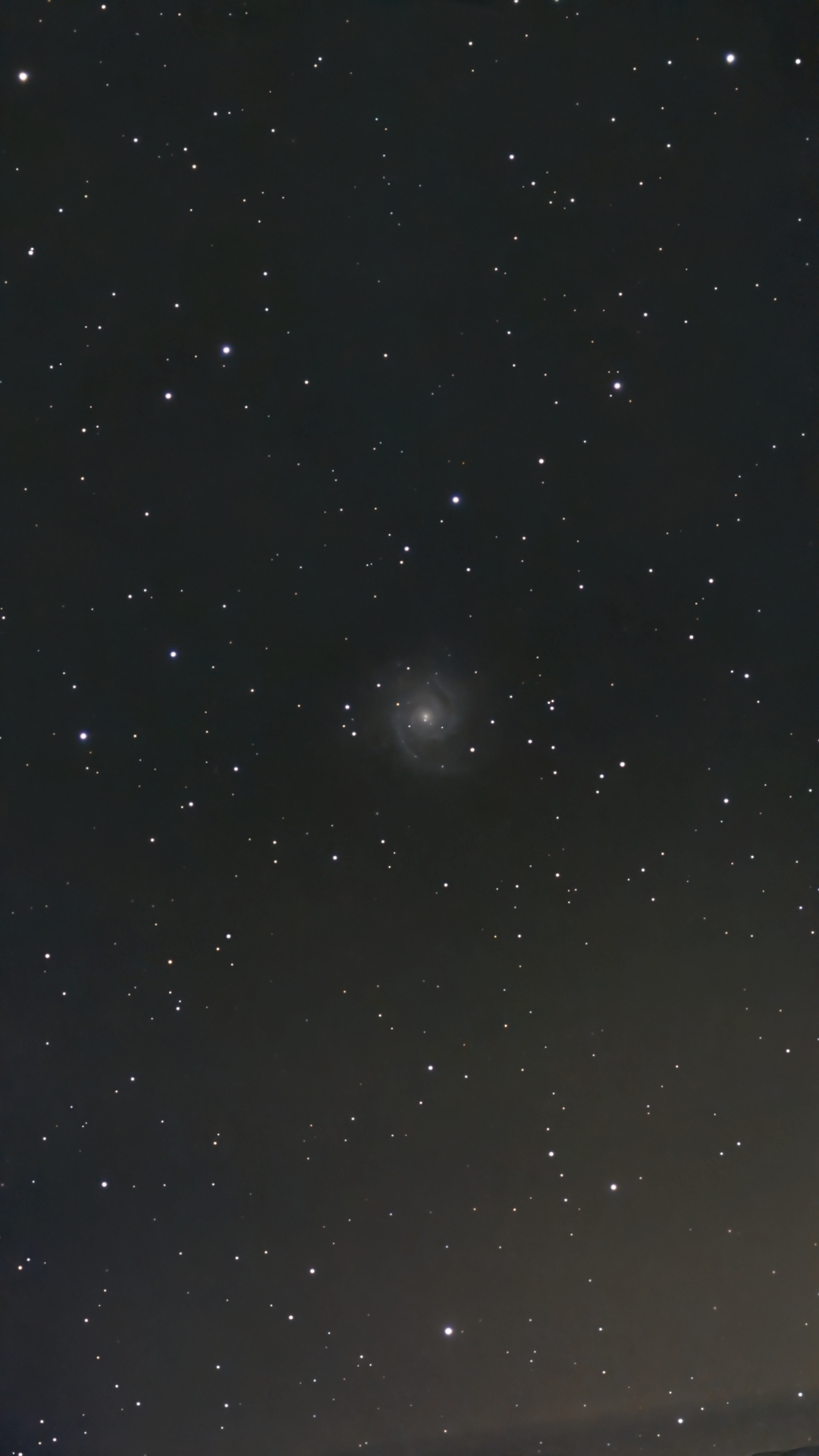
M74
Type: Spiral galaxy
Distance: 32 million light-years
Exposure time: 10 seconds
Subframes: 240
A nearly face-on spiral galaxy. Often called a “grand design” spiral due to its well-defined arms. Despite its large size, it has low surface brightness.
Type: Barred spiral galaxy
Distance: 47 million light-years
Exposure time: 10 seconds
Subframes:
A face-on spiral galaxy notable for being a barred spiral galaxy with an active galactic nucleus. Its bright core and faint spiral arms make it a popular target for deep-sky imaging. It is called the Squid Galaxy because the pattern of its arms and dust lanes looks a bit like squid tentacles wrapped around the galaxy’s center.
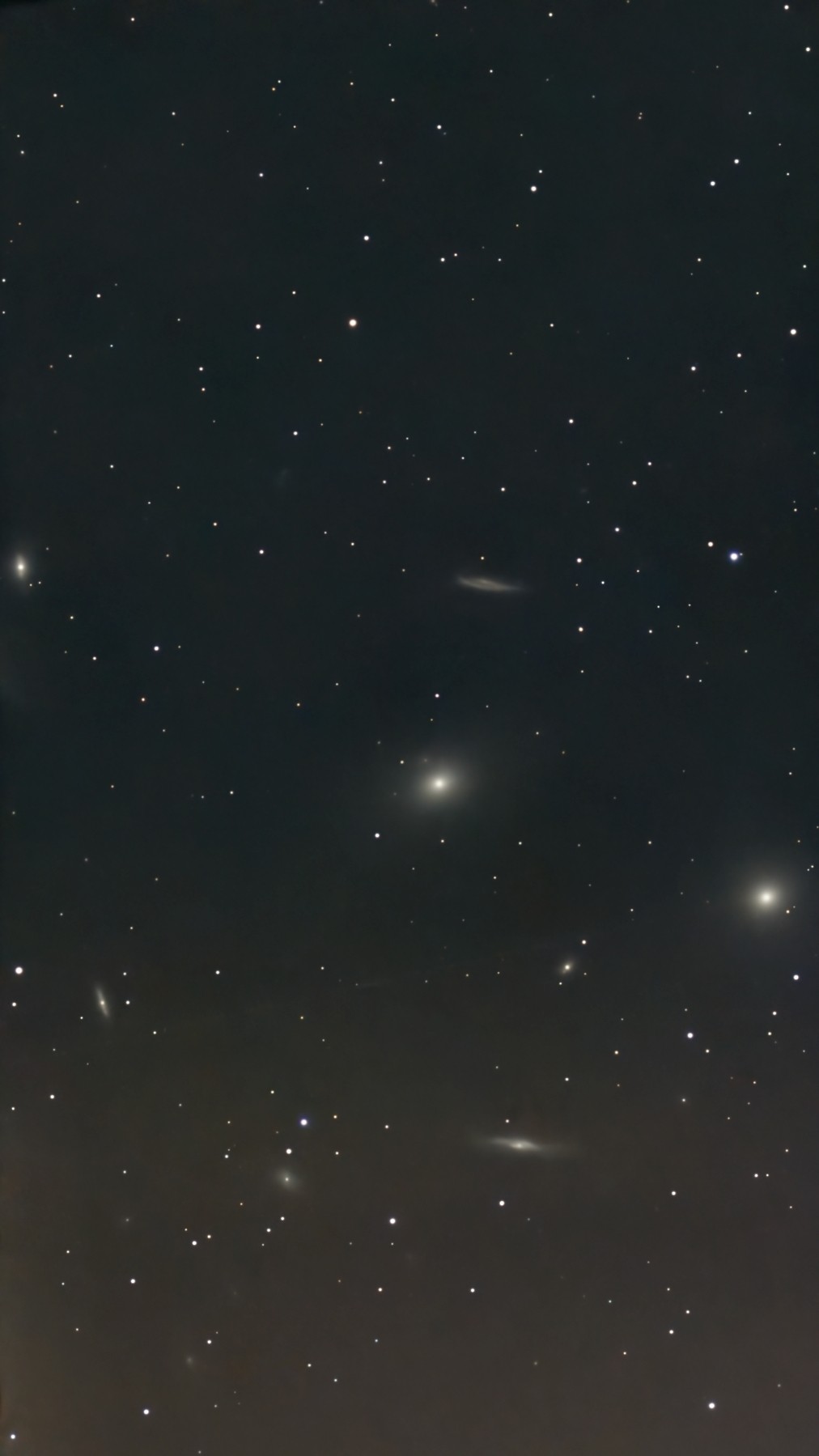
Type: Galaxies
Distance: ~50–60 million light-years
Exposure time: 10 seconds
Subframes: 134
A striking curved chain of galaxies in the Virgo Cluster, most prominently featuring the elliptical galaxies M84 and M86. The chain is an apparent alignment caused by our line of sight; in reality, these galaxies are gravitationally bound members of the Virgo Cluster but are spread out in three-dimensional space.
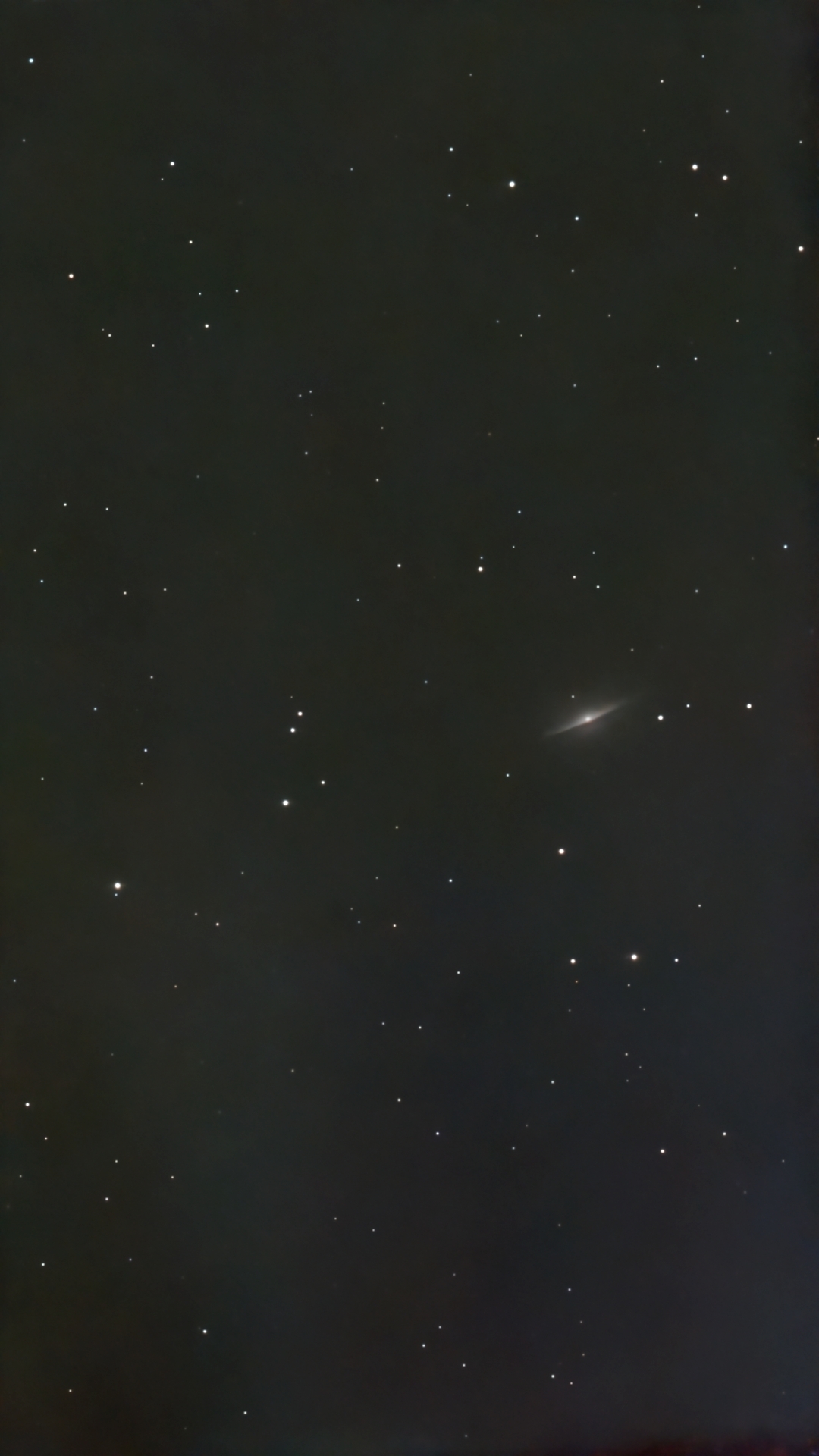
Type: Spiral galaxy
Distance: 29 million light-years
Exposure time: 10 seconds
Subframes: 121
A bright galaxy famous for its dark dust lane and large central bulge, giving it the appearance of a sombrero hat. It lies near the edge of the Virgo Cluster region but is not a true member of the cluster.
 Valentijn Stijger